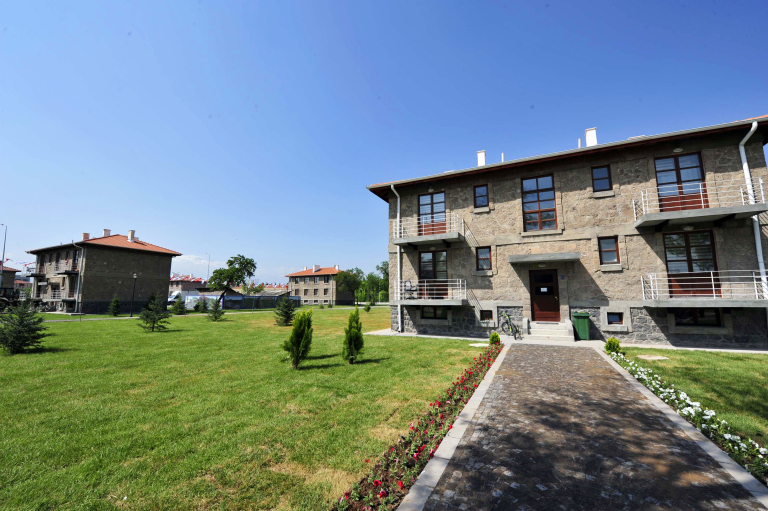
Households are accountable for nearly three-quarters of global carbon emissions, as these have been estimated to be accountable for around 72 % of carbon emissions on a global basis (Hertwich and Peters 2009; Wilson et al. 2013). The statics above tells us that our housing footprint is typically one of the largest sections of ecological footprint which has been creating a greater impact on the environment and I wanted to elaborate this massive issue by taking a look at the campus dormitories we live in.
The First issue is about household wastes which are thrown away everywhere inside and outside the dorms which we can easily spot. Bottles, cans, paper, and household hazardous wastes decay and damage the natural environment releasing bad and toxic odor and greenhouse gases if they are not disposed and recycled regularly.
Secondly, I focused on electricity which makes up a significant share of the household ecological footprint. The quantity of greenhouse gas emissions from our dorm’s electricity use depends on the types of fuel the power plant uses to generate the electricity and as we know, Fossil fuels are the main sources. Burning fossil fuels such as coal, oil, and natural gas are altering the earth’s climate by increasing the concentration of carbon dioxide in the atmosphere and enhancing global warming.
My final point deals about water usage in the dorms. we can find broken taps and water flushing systems in some of the toilets flowing without stop creating wastage of water and resources. Detergents we often use while doing laundry actually are Toxic containing harmful chemicals which lead to negative health effects, ranging from skin and throat irritation to carcinogenicity, and negative effects on the environment.
We can see from the above texts that there are many problems and manifestations in the places we are living in which are influencing our ecological system and we must work on to improve those conditions.
Amir Lale/ 140120109
 ECO EFFICIENT HOUSE